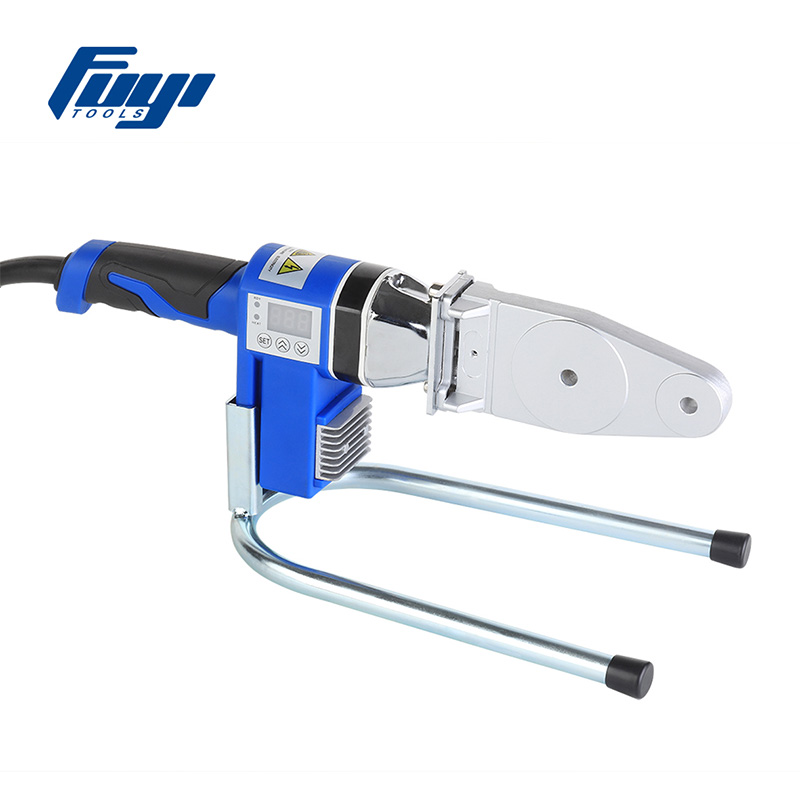
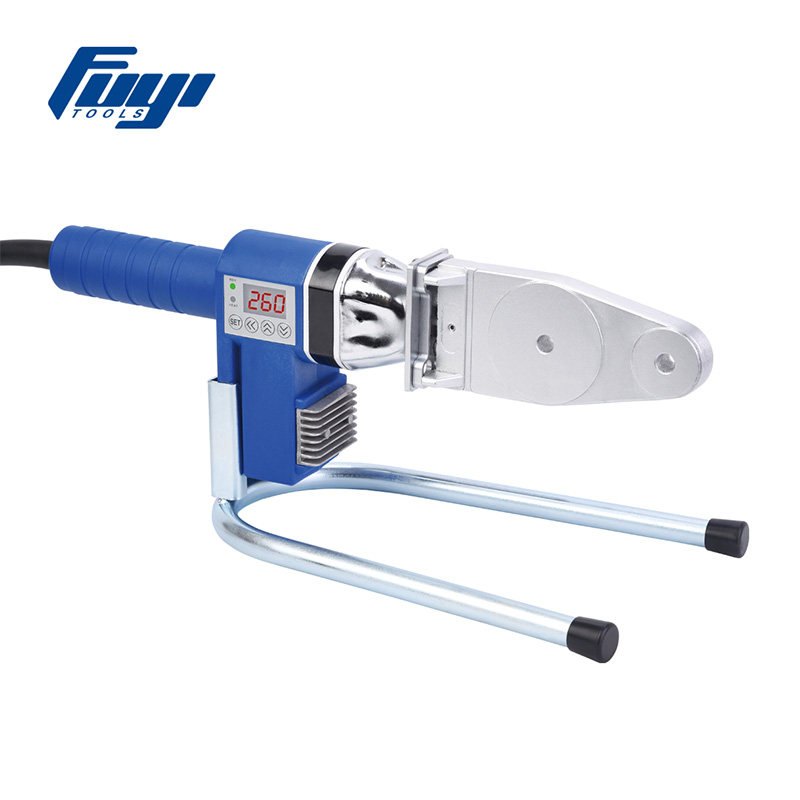
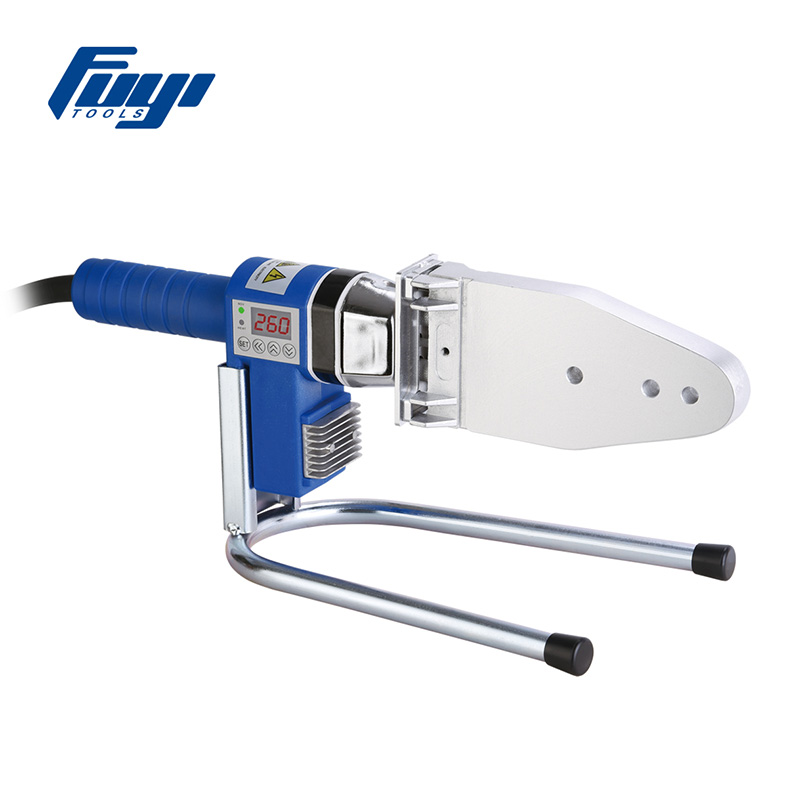
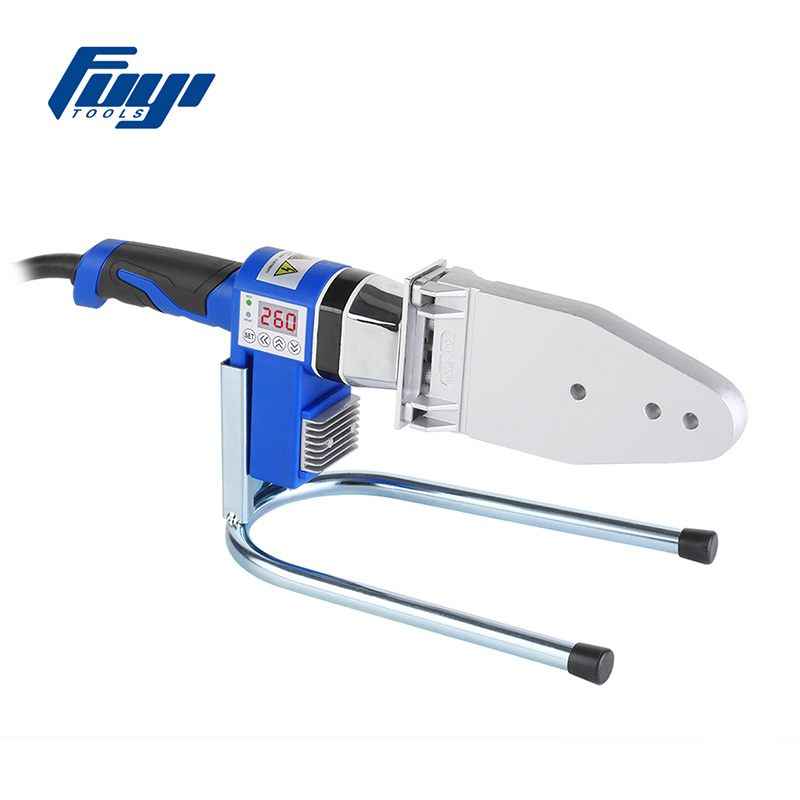
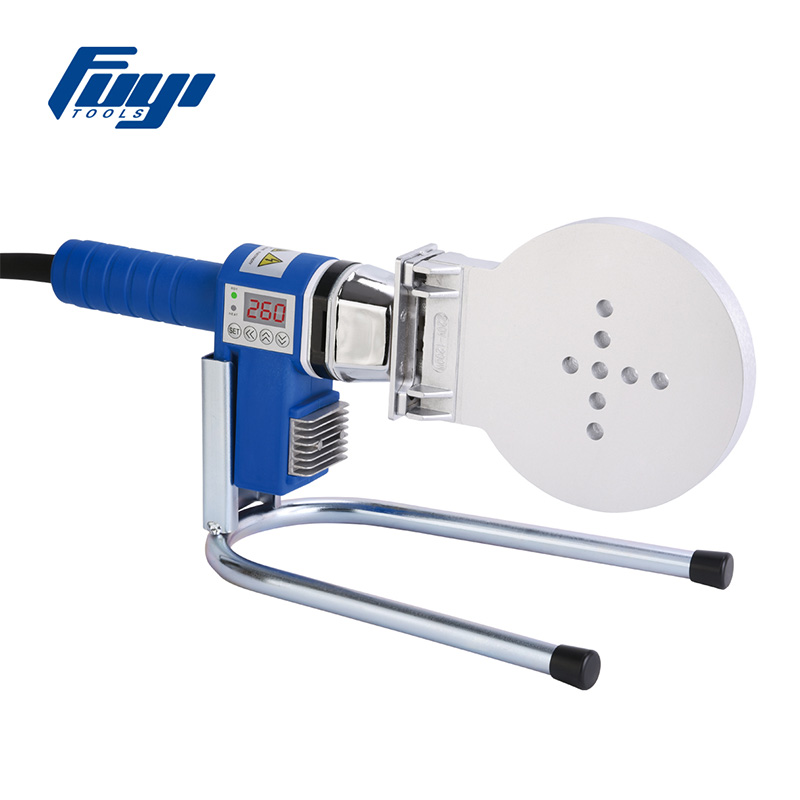
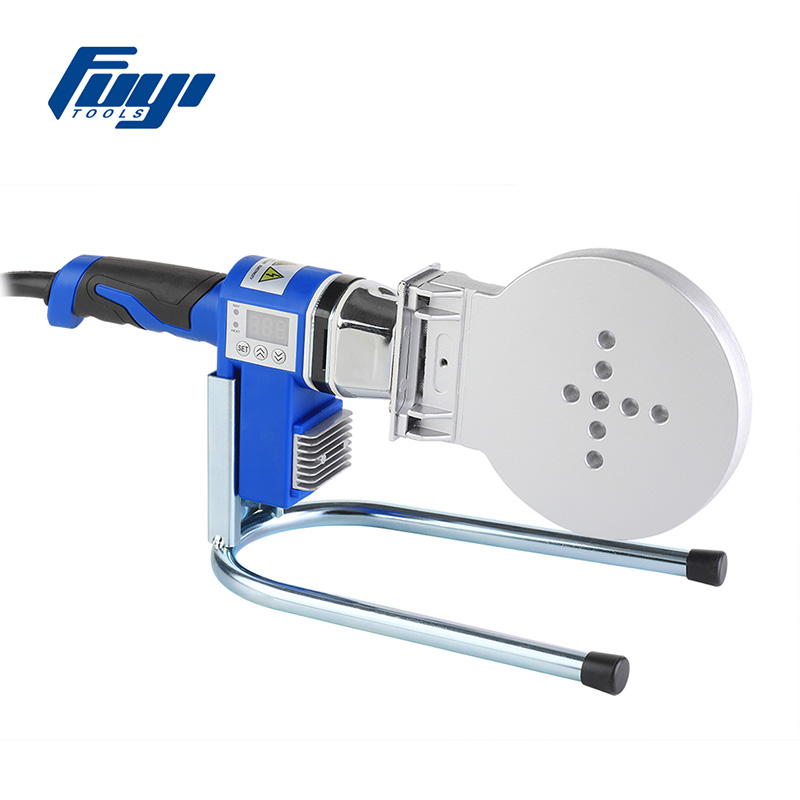
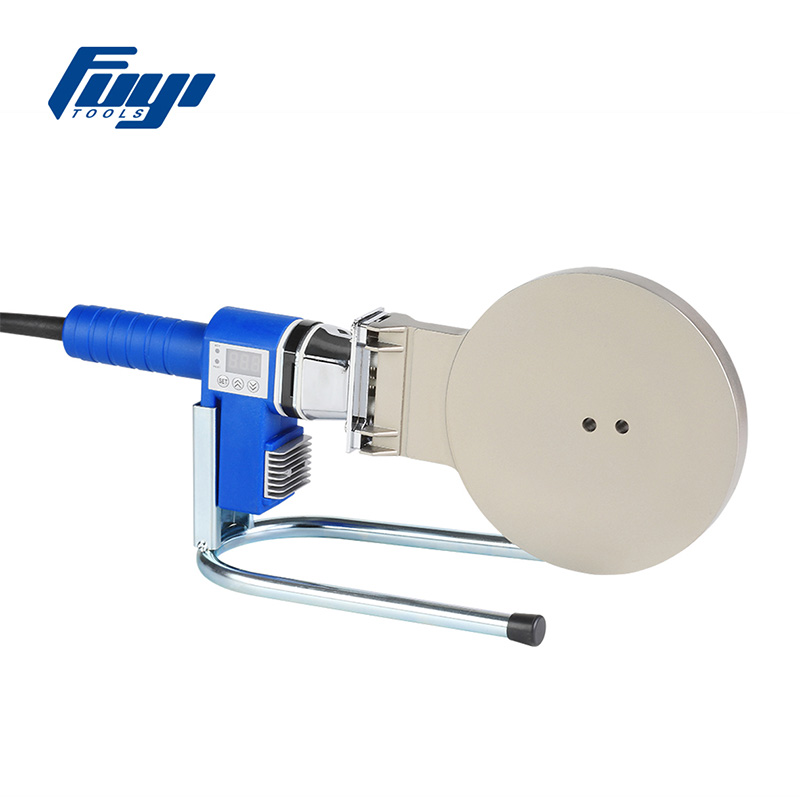
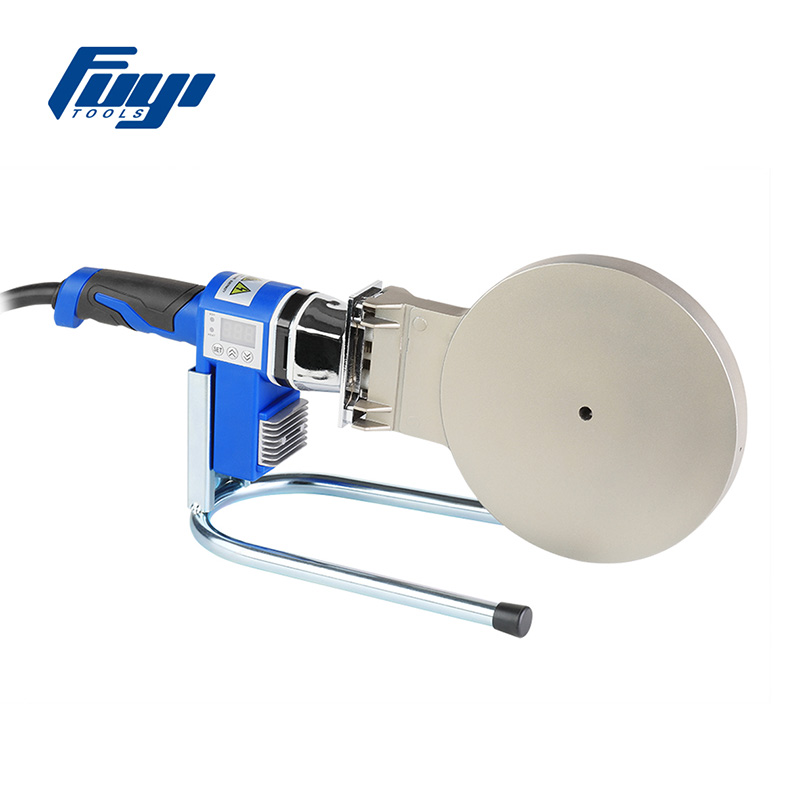
Muffesvejsning is a thermal joining process that melts the outer surface of a pipe and the inner surface of a fitting simultaneously using a heated tool, then presses them together to cool and fuse into a single homogeneous joint. The process relies on three core equipment components — a heating tool with socket/spigot adapters, a temperature control unit, and a pipe alignment or clamping fixture — combined with three critical parameters: heating temperature, heating time, and cooling time.
Because the strength of the finished joint depends almost entirely on hitting the correct combination of these parameters, understanding both the equipment and the numbers behind it is essential before performing or specifying this type of weld.
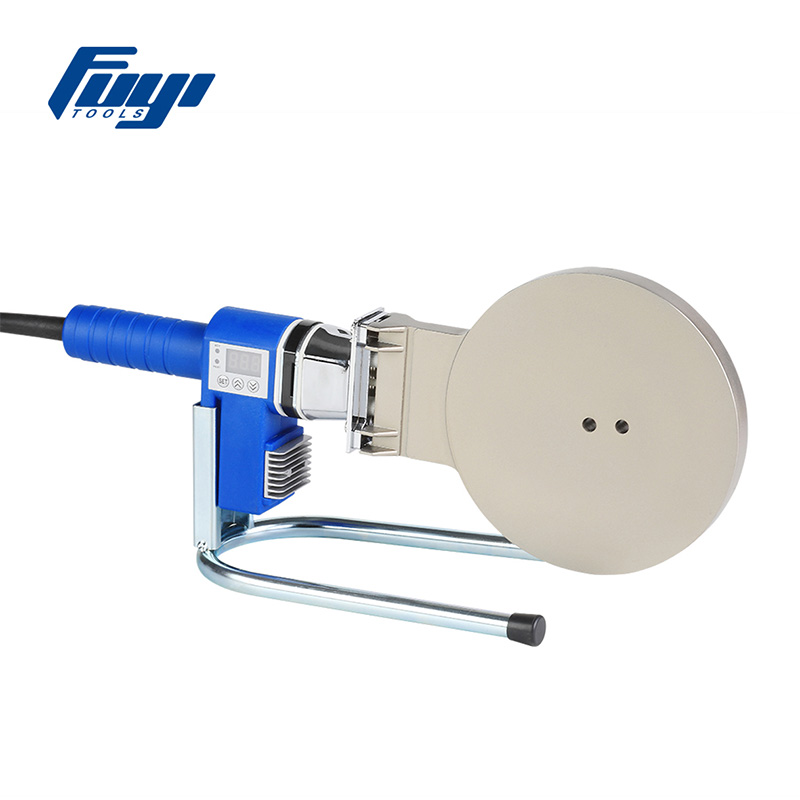
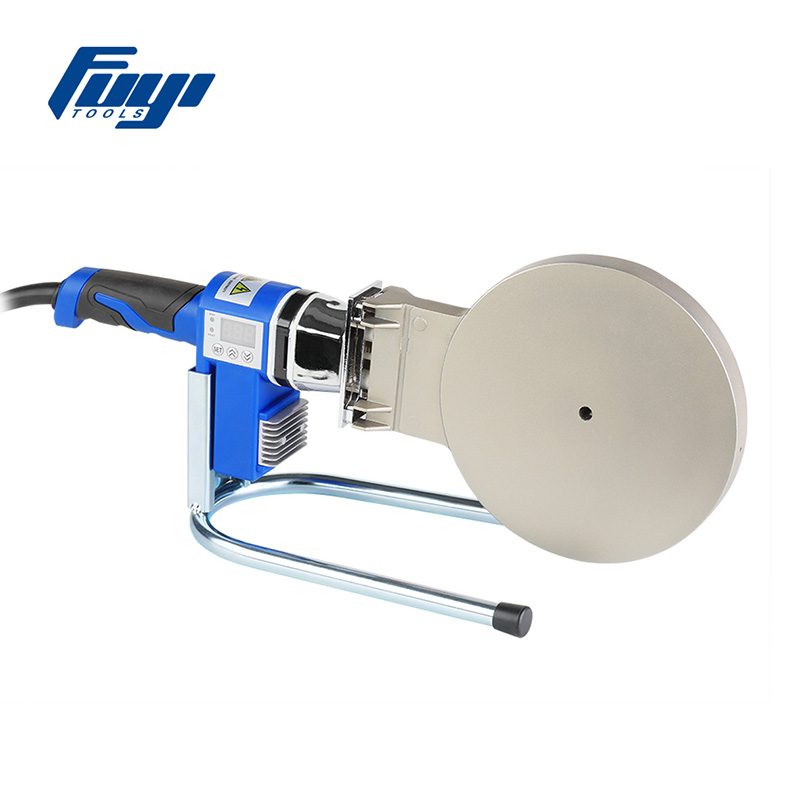
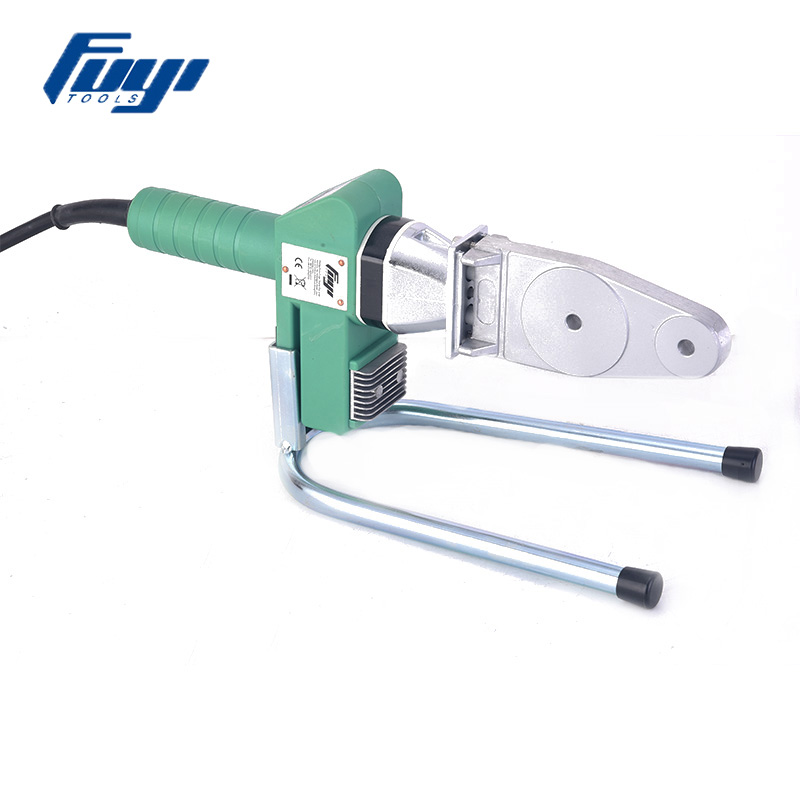
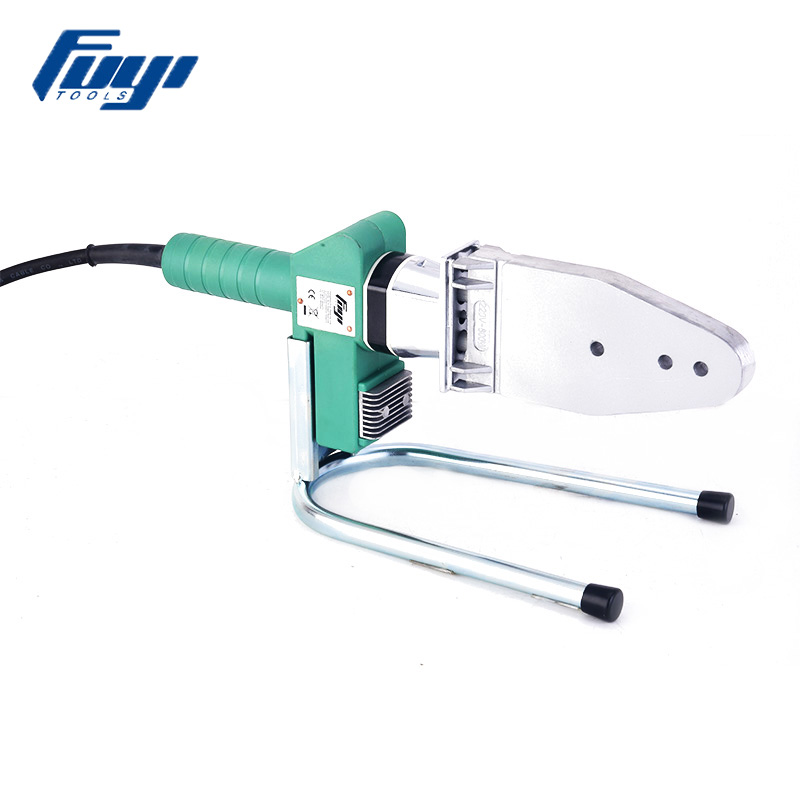
The heating tool is a metal plate — usually aluminum with a PTFE or non-stick coating — fitted with a socket adapter (for heating the outside of the fitting) and a spigot adapter (for heating the outside of the pipe end). Both adapters heat simultaneously so the pipe and fitting reach fusion temperature at the same time.
This regulates and displays the heating plate temperature, either through a basic thermostat or a digital PID controller. Digital controllers typically hold temperature within ±1-2°C, compared to ±5-10°C swings common on basic thermostat models , which matters because even small temperature deviations affect how well the plastic melts and fuses.
On bench machines, this fixture holds the pipe and fitting in precise axial alignment during heating and joining. Misalignment during the pressing stage is one of the most common causes of an uneven or weak weld, since it prevents uniform contact pressure around the joint circumference.
While exact numbers vary by pipe material and diameter, the process itself follows a consistent sequence:
Every socket fusion weld is governed by four measurable parameters. Getting any one of these outside its specified range is the leading cause of joint failure , even when the equipment itself is functioning correctly.
| Parameter | Typisk rækkevidde | Konsekvens hvis forkert |
|---|---|---|
| Opvarmningstemperatur | ~260-270°C (PPR), ~220-230°C (PE) | For lav: svag fusion; For høj: materialenedbrydning |
| Opvarmningstid | Varierer efter diameter (et par sekunder til ~1 minut) | For kort: utilstrækkelig smeltning; For lang: overskydende materialestrøm |
| Skiftetid | Typisk under 5-8 sekunder | Smeltede overflader afkøles og oxideres før sammenføjning, hvilket svækker bindingen |
| Afkølingstid | Flere minutter, skaleret til diameter | Premature stress can distort or crack the still-soft joint |
Exact parameter values always depend on pipe material (PPR, PE, PVDF) and outer diameter, and manufacturers publish specific fusion tables for each combination. Rør med større diameter kræver forholdsmæssigt længere varmeopblødnings- og afkølingstider , since more material mass needs to reach and hold fusion temperature evenly.
Temperatur og timing får mest opmærksomhed, men to mekaniske faktorer er lige vigtige for svejsekvaliteten:
This is why bench machines with rigid alignment fixtures are generally preferred over handheld tools for critical or code-regulated installations — armaturet fjerner operatørvariabilitet fra to af processens mest fejltilbøjelige trin .
Adskillige tilbagevendende svejsedefekter kan spores direkte tilbage til udstyrets tilstand eller opsætning frem for operatørteknik:
Socket fusion svejseparametre er ikke vilkårlige - de er typisk defineret af industristandarder som f.eks. ASTM F1056 i Nordamerika og DVS 2207 i Europa , som specificerer anbefalede temperaturområder, varmegennemvædningstider og afkølingsperioder baseret på rørmateriale og diameter. For regulated plumbing, gas, or industrial piping work, following the applicable standard's fusion tables (rather than general estimates) is typically required for code compliance and joint certification.
Understanding socket fusion welding means recognizing that equipment quality and parameter accuracy work together — a well-built heating tool with poor temperature control, or correct settings on a misaligned fixture, will both produce unreliable joints. Consistently strong welds depend on matching manufacturer-specified temperature, heat soak time, changeover time, and cooling time to the exact pipe material and diameter being joined, and using equipment — particularly the alignment fixture and heating plate coating — that supports that precision rather than working against it.